Category: General

  • Digital Trends That’ll Shape 2026: What Businesses Need to Know

    Digital Trends That’ll Shape 2026: What Businesses Need to Know

    Businesses are under steady pressure to stay visible online. New tools show up almost every month. Customer habits shift without warning. Expectations rise faster than many teams can adjust. At the end of the day, many companies are unsure where to focus their time or money. Some trends turn out to be noise, while others influence sales, reach and customer trust. This confusion makes it hard for any business to plan ahead with confidence.

    This is why clarity matters. Not every digital idea deserves your attention. Some trends drain time, and some help you grow. The goal is to know which ones hold real value, especially for the new year 2026. At Mactavis, we already see these shifts from the work we do with different brands. We see what clients ask for, what users respond to and where businesses gain real results. Those insights shape the list of trends that’ll shape 2026.

    In this article, you will understand what to expect in the coming year and how to position your business for better online performance in 2026.

    1. AI Agents Become Everyday Tools

    One of the trends that’ll shape 2026 is the rise of AI agents that can complete full tasks from start to finish. These tools are moving beyond simple question-and-answer responses. They now take instructions, act on them and deliver work that saves time. Many businesses are beginning to rely on them for activities that used to take long hours of human effort.

    AI agents are already showing up in areas like customer support. They can handle common questions, give clear responses and help customers get quick solutions without waiting for a human team member. Content teams use them to create drafts, organise ideas and speed up production. For operations teams, AI agents help automate simple workflows. This means steps that used to be repeated manually can now be carried out in the background.

    The impact is straightforward. Work moves faster. Teams spend less time on small tasks. Projects get completed earlier. Customers get quicker responses. Businesses see more productivity without expanding their staff.

    There are a few things companies can start doing now. They can test simple AI tools that fit their daily operations. They can review areas where tasks repeat often and try automating those steps. They can train their teams to work with these tools so everyone gains confidence. By starting early, businesses can position themselves to benefit fully from this shift in 2026.

    2. Websites Become More App-Like

    Another one of the trends that’ll shape 2026 is the shift toward websites that feel and behave like mobile apps. Users expect websites to be fast, responsive and interactive. Pages that lag or reload slowly often drive visitors away, while smooth, app-like experiences keep them engaged longer. This change is more than aesthetics; it affects how people interact with your brand and whether they trust your business.

    Progressive web apps, or PWAs, are a big part of this shift. They allow websites to work offline, send push notifications and deliver smooth transitions between pages. This means users can browse without interruptions, get updates directly to their devices and enjoy a seamless experience just like they would on a native app.

    Customers respond positively to this app-like feel because it makes interaction effortless. They spend more time exploring the site, they trust the brand, and they are more likely to return. The impression a fast and responsive site leaves is hard to ignore.

    For businesses, the focus should be on upgrading core website elements. Optimize loading speed, implement PWA features where it makes sense, and make navigation simple and intuitive. Updating forms, checkout flows and content presentation to match an app-like experience can boost engagement and conversions in 2026.

    3. Visual Experience Upgrades (3D, Motion, Micro-Interactions)

    One of the trends that’ll shape 2026 is the growing use of lightweight 3D elements, subtle motion, and micro-interactions to make websites and apps more engaging. Visitors want experiences that catch their attention and feel alive. Even small animations or interactive effects can guide the user’s focus and make navigation smoother.

    Subtle motion works best when it highlights important actions or content. For instance, a slight hover animation on a product image or a smooth transition between sections can keep users interested and encourage them to explore further. The effect is that users spend more time on the site and remember the experience better.

    This approach works particularly well for tech brands, e-commerce stores, and product showcases. Any business that wants to display products or services in a way that feels modern and interactive can benefit.

    Simple updates to animations, interactive buttons, and product presentations can make a big difference in 2026.

    4. SEO Shifts Toward AI Search Results

    Another trend that’ll shape 2026 is how search engines are changing the way they show information. Users are now getting summaries, AI-generated answers, voice responses, and visual results directly in search pages. This means traditional methods of ranking, like stuffing keywords or relying on backlinks alone, are becoming less effective.

    To stay relevant, businesses should focus on quality content that is clear, accurate, and useful. Structured data, such as proper headings, tables, and tags, helps search engines understand content better. Developing deep coverage of topics, rather than short scattered articles, gives more authority and trust in search results.

    Practical steps include reviewing content for clarity, adding structured elements that highlight key information, and optimizing for voice and visual search. Regular updates and content planning will keep businesses visible as search technology shifts. Adopting these steps now positions a website for better performance in 2026.

    4. Data Protection and Speed Become Competitive Advantages

    Among the trends that’ll shape 2026 is the rising importance of data protection and website speed as key factors for business success. Customers are becoming more aware of how their personal information is handled. Privacy regulations are growing stricter, and companies that fail to protect user data risk losing trust and credibility.

    At the same time, businesses are reaching wider global audiences. A website that takes too long to load in different regions can drive visitors away before they see anything. Speed is no longer just a technical feature. It is a factor that affects perception, engagement, and ultimately sales.

    Because of this, companies will invest in security measures, reliable hosting, regular backups, and overall website performance. A secure and fast site signals reliability and professionalism to customers. When people feel safe and can access content quickly, they are more likely to engage, share, and buy.

    For businesses, the action points are clear. Review security policies, update servers, compress images, streamline code, and test loading speed across regions. Focusing on these areas builds trust, strengthens customer relationships, and gives a measurable advantage over competitors in 2026.

    What This Means for Businesses in 2026

    Looking at the trends that’ll shape 2026, businesses will face faster customer expectations, smarter digital tools, and tighter competition. People want websites and apps that respond quickly, content that answers questions clearly, and support that does not keep them waiting.

    This does not mean every trend needs to be followed. Companies should focus only on the changes that support their goals and make sense for their audience. Trying to chase every new feature can waste time and resources. Instead, concentrating on the areas that improve performance, engagement, and trust will bring the most value.

    A simple mindset can guide decision-making: improve speed, clarity, and customer experience. Faster sites, clear content, and smoother interactions build confidence with clients and help businesses stay ahead. Small updates in these areas can have a big impact. By focusing on what matters, companies can remain competitive and ready for the opportunities 2026 will bring.

    Conclusion

    The year 2026 will not reward businesses for being complicated. Success will belong to those who make clear, smart choices about their digital presence. Customers will notice faster websites, smoother apps, and support that responds immediately. They will also value content that is precise and useful. Focusing on these areas will set businesses apart from competitors who rely on outdated methods or slow processes.

    As these trends that’ll shape 2026 take hold, now is the time to review your website, app, and overall digital setup. Check which features improve speed, clarity, and customer experience. Identify where automation or design improvements can make interactions easier for clients. Every small change contributes to building trust, boosting engagement, and increasing conversions.

    Preparing for 2026 does not require reinventing everything. It requires taking deliberate steps to align your digital presence with customer expectations and current technology. For businesses ready to act, a practical next step is to get a clear assessment of what is working and what needs attention.

    Mactavis offers a free consultation and digital audit to help companies focus on the changes that matter most. Take this opportunity and reach out us to understand how your digital tools can work better and make informed decisions that will strengthen your business for the coming year.

  • Top 5 Web Design and Mobile App Agencies In Nigeria

    Top 5 Web Design and Mobile App Agencies In Nigeria

    Many business owners search for web design agencies with a goal in mind, and that is to get a website that truly represents their brand. Yet, time and again, you see businesses spend money on websites that look flashy but fail to bring results. The site loads, the design looks nice, but customers leave after a few seconds. No clicks, no sales, no growth. That is usually where the problem lies. A good website must be able to attract, engage, and convert visitors into real customers.

    Choosing the right agency can make the difference between having a site that just exists and one that actually drives business growth. A solid agency understands that design is more than colors and fonts. They blend creativity with strategy. They study your market, understand your audience, and build a digital experience that helps your brand achieve its goals. From user experience to search engine optimization and mobile responsiveness, every detail matters.

    This article highlights five trusted web design agencies in Nigeria that know how to combine beauty with results.

    What Makes a Good Web Design Agency Before You Choose One

    Before you even look at a list of web design agencies in Nigeria, it helps to know what separates an average agency from one that can genuinely support your business. Many agencies focus on pretty layouts, yet beauty without strategy always shows its limit. A strong agency pays attention to how design can help you attract customers, guide them through your pages, and push them closer to taking action. This kind of thinking is what gives a website real value.

    A good agency builds with purpose. They create pages that load fast, hold attention, and help your visitors find what they want without confusion. Since many people browse on their phones, the agency must build a site that performs well on mobile devices and maintains a smooth experience. Any small delay or messy layout can discourage visitors, so the agency needs a team that pays attention to performance and clarity.

    Clear communication is another thing you should look out for. You need an agency that explains things in simple terms, listens to your goals, and keeps you updated from start to finish. After launch, the agency should still support you. Many Nigerian businesses struggle with agencies that vanish once the project is done. A reliable partner stays in touch and helps you fix issues as your site grows.

    Real results matter more than big claims. An agency can show you a beautiful portfolio, yet the real test is how their past work has helped clients grow. You should look for practical achievements. It may be higher traffic, better engagement, improved conversions, or better visibility on Google. These signs prove that the agency builds with intention and not just decoration.

    When you keep these points in mind, it becomes easier to choose an agency that will serve your business well and save you from spending money on site fixes later.

    Top 5 Web Design Agencies in Nigeria

    There are many web design agencies in Nigeria, but the five below are solid, experienced, and trusted by businesses of all types.

    1. Mactavis Digital

    Mactavis Digital is a product design and development company that builds websites, mobile apps, web apps, SaaS products and AI-powered tools. They focus heavily on user experience and conversion, so the websites they create are built to look good and perform well. Their work covers brands like Kilimanjaro Restaurants, Pizza Jungle, Lagos State Parks & Gardens Agency, West Africa Health Exams Board and many others.

    They are a good choice for businesses or founders who want more than a simple site. If you need a website that behaves like a full product, or you want an app alongside your site, they have the structure and team to support that. They also have strong after-launch maintenance, which helps if your internal team is small. Their strength shows in how they think about design, performance and long-term support.

    2. CKDigital

    CKDigital is a Lagos-based agency known for corporate websites, e-commerce websites, branding and UI design. They have worked with Vitafoam PLC, FMDQ OTC PLC, SIFAX Group, and First E&P. Their work usually has a polished look and clear structure, and they have years of experience serving small businesses and large companies.

    They fit brands that want a balanced package. You get design, development and branding support from one place.

    3. Edens Digital

    Edens Digital is a creative agency that offers website design, development and digital marketing services. They build clean, modern sites for businesses that need a professional online presence. Their work focuses on good branding, usability and responsiveness, so the websites they deliver look organized and work well across devices.

    Because they also handle SEO, content, social media and paid ads, they are ideal for businesses that want both a website and ongoing marketing support. They offer a balanced service structure that covers design, development and digital growth.

    4. Ozitech Group

    Ozitech Group is a Lagos-based agency that offers web design, mobile app development, branding and digital marketing services. Their websites are clean, functional and built with performance in mind, so businesses get a professional online presence that works well across devices.

    They are a good fit for companies that want both design and growth support. Beyond building websites, they handle SEO, content, ads and brand identity, which makes them suitable for businesses that want an agency that can create the site and also drive traffic to it.

    5. BeeTcore

    BeeTcore is a Lagos-based web design and development agency. They create fast, clean, and user-friendly websites for e-commerce, corporate sites, and learning platforms. Their clients include SMEs, startups, schools, and organisations in Nigeria and abroad.

    They are a good choice for businesses that want a website that looks professional, loads quickly, and is easy for visitors to use. BeeTcore also offers ongoing updates and maintenance, making them reliable for brands that need both design and long-term support.

    Why Mactavis Digital Stands Out

    Among web design agencies in Nigeria, Mactavis Digital has built a reputation for honest collaboration and consistent delivery. They focus on creating websites and digital products that work for your business, not just look good. Many agencies will stop at launching a site, but Mactavis stays involved, supporting updates, improving performance, and making sure your online presence grows with your business.

    Their track record shows long-term relationships with clients who keep returning for new projects. This comes from a mix of clear communication, practical solutions, and an ability to balance quality with affordability. Businesses appreciate that Mactavis can take a concept from idea to a fully functional website or app without unnecessary delays.

    Choosing Mactavis Digital means working with a team that listens, acts with integrity, and focuses on results. They combine design, development, and user experience in a way that helps your brand perform better online. Whether you need a corporate site, an e-commerce platform, or a mobile app, Mactavis delivers solutions built for growth.

    If you want a website that goes beyond decoration and starts delivering real results, you can book a consultation with Mactavis Digital or request a free site review today.

    A Great Website Starts with the Right Partner

    Choosing the right web design agency is one of the most important decisions for your business. Not all web design agencies in Nigeria deliver the same results, and picking the right partner can make the difference between a website that just looks good and one that actively supports your business growth.

    Mactavis Digital stands out because they combine design, development, and ongoing support to ensure your website works effectively. Their approach balances quality, performance, and affordability, making them a reliable partner for businesses of all sizes.

    If you want a website that looks professional, performs better, and grows with your business, reach out to Mactavis Digital today for a free consultation or a site review. Taking this step is the simplest way to make sure your online presence delivers real results.

  • How a Blog Can Turn Your Website into a Traffic Magnet

    How a Blog Can Turn Your Website into a Traffic Magnet

    Many businesses spend good money on web design, yet stop investing the moment the website goes live. Their website looks beautiful, clean, and ready to impress anyone who clicks on it. However, after a few weeks, traffic levels off. No new visitors, no inquiries, and no growth. Here is the thing: design alone cannot bring people in. Without a plan to attract consistent attention, even the most stunning website can fade into online silence. That is where How a Blog Can Turn Your Website into a Traffic Magnet becomes an important conversation.

    Having a blog is about creating valuable conversations with your audience. Every post can educate, answer a problem, or showcase your expertise in a way that builds trust. Over time, those posts start drawing people who are genuinely interested in what you do. They read, share, and come back for more.

    This article will walk you through how a simple blog strategy can turn your website from a quiet digital brochure into a magnet that attracts visitors, builds your authority, and helps your business grow naturally.

    Why Your Website Needs a Blog Page

    Google pays attention to activity. A site that stays silent for months starts to fade in visibility. Search engines want to see movement, new pages, updated posts, and signals that show your business is active. Each new article tells Google, “We are here. We have something fresh to offer.” And over time, that consistency helps your site climb higher in search results.

    Regular updates also attract real people. Visitors are more likely to trust a website that feels alive. A business that shares helpful insights through blogs looks credible and present. Compare two websites: one that publishes helpful articles every week and another that has not changed in a year. Which one would you trust more? The first, without question. That’s because consistent blogging gives the impression of reliability and growth…. and also the impression that the brand or company is still alive

    A blog keeps your website from going stale. It transforms your platform from a simple brochure into a living space for your brand, one that draws attention, keeps people engaged, and continues to attract new visitors long after the design work is done.

    How Blogging Builds Authority and Trust

    People buy from brands they trust. And trust is built through consistent proof that you know what you are doing and that you care about helping your audience. That is one of the biggest reasons How a Blog Can Turn Your Website into a Traffic Magnet is such a relevant topic for any business that wants to stay visible and respected online.

    When a brand publishes articles regularly, it sends a clear message: we are active, informed, and reliable. Each post becomes a small piece of evidence that your business understands its field. Over time, visitors begin to see your website as more than a place to sell something. It becomes a source of answers. Whether you are sharing tips, insights, or content tells people that you are genuinely invested in helping them, not just collecting sales.

    A company that writes about common customer challenges or shares updates on industry trends automatically earns credibility. People are drawn to expertise that feels practical and honest. Every helpful article you post plants a seed of confidence in the minds of your readers. They begin to trust your opinion, and that trust often turns into loyalty and referrals.

    The SEO Advantage of Blogging

    Every new blog post you publish gives search engines something new or fresh to index. Think of each article as an extra doorway into your website. The more entry points you create, the easier it becomes for people to find your business online. That is one of the simplest ways to increase organic traffic and keep your brand visible.

    Blogging also allows you to target a range of keywords that reflect what your audience is searching for. A fashion brand can write about “how to style corporate outfits,” a real estate company might focus on “affordable properties in Lekki,” while a restaurant could target “best breakfast spots in Toronto.”

    Another benefit of blogging is how it strengthens your internal linking. When you link your blog posts to other pages on your site, such as your services, product pages, or contact forms, you help Google understand your site better. It also makes navigation easier for visitors, which improves engagement and keeps them on your site longer.

    The best part is that well-optimized blogs can keep bringing traffic long after they are published. A single valuable post can continue ranking for months or years, driving free traffic without additional ad spend. Blogging is one of the simplest ways to keep feeding search engines with valuable content they reward, and that means more eyes on your business, more trust, and more conversions over time.

    Steps to Turn Your Blog into a Traffic Magnet

    Turning your blog into a steady source of traffic takes consistency, strategy, and a bit of patience. Any business can do it. Whether you run a fashion brand, a logistics company, a tech startup, or a small bakery, the same principles apply.

    1. Post consistently
    Search engines and people love fresh content. Posting once a month is a good start, but the more regular you are, the better. Each new post keeps your website alive and signals to Google that your site is active. Consistency also builds audience trust. When visitors know they can expect new content often, they return. That steady flow of traffic adds up over time.

    2. Use relevant keywords naturally
    Keywords are the bridge between what people are searching for and what you offer. To attract the right audience, include keywords that reflect your business and what your customers might type into Google. For example, a travel agency can use terms like “affordable vacation packages in Kenya,” while a skincare brand might target “natural body oils in Nigeria.” The key is to use these words naturally within your sentences so your writing still feels genuine and easy to read.

    3. Share posts on social media and newsletters
    Do not just publish a post and leave it to fate. Share it everywhere your audience spends time. Post snippets on Instagram, LinkedIn, Facebook, or X (Twitter). Mention it in your newsletters. Encourage your team to share it too. The more visibility your post gets, the more likely people will visit your site and interact with your business. Over time, this cross-promotion builds both brand awareness and credibility.

    4. Add clear CTAs (Calls to Action)
    Every blog should guide readers on what to do next. Add simple calls to action like “Book a free consultation,” “View our services,” or “Contact us today.” Link these CTAs to your service pages or contact form. That way, readers who find value in your content can easily take the next step without leaving your site. CTAs turn casual readers into potential customers.

    5. Review your analytics
    Numbers do not lie. Check your website analytics to see which topics bring the most visitors. If posts about a particular topic get more views, write more around that area. Use the data to shape your content plan. Over time, you will understand what type of content drives engagement and where your audience’s real interest lies.

    Turning a blog into a traffic magnet takes steady effort, but the reward is lasting visibility.

    Make Your Website Work for You

    What keeps visitors coming back is value, and that’s what consistent blogging gives your website. Every post you publish adds a new opportunity through which potential customers can find you.

    Blogging is the heartbeat of online visibility. Each article you write adds weight to your credibility, builds trust with readers, and improves how search engines rank your business. Over time, those posts become silent salespeople, bringing in traffic and turning visitors into customers.

    If your website looks great but the traffic is flat, it’s time to turn it into a magnet for the right audience.
    At Mactavis Digital, we help businesses plan, write, and optimize blog content that gets noticed. From keyword strategy to publishing schedules, we handle everything so your website starts attracting real customers, not just random clicks. Let’s help your business grow through strategic blogging.
    Contact us today to get started.

  • 10 Questions To Ask Before Hiring a Web & Mobile Solutions Company

    10 Questions To Ask Before Hiring a Web & Mobile Solutions Company

    When businesses rush into hiring a web and mobile solutions company without asking the right questions, the end results could be delays, unexpected costs, and products that do not meet expectations. The problem is that without careful thought early on, hidden issues go unnoticed until they become bigger problems. This can be frustrating and costly, especially for small or growing businesses trying to make every naira count.

    This article will guide you through ten important questions to ask before choosing a web and mobile solutions company. These questions will help you spot red flags, understand what to expect, and find a team that can deliver quality work on time and within your budget.

    1. What experience do you have with projects like mine?

    Before hiring a web design company, one important question to ask is about their experience with projects similar to yours. This matters because a company that has worked on websites or apps in your industry or with similar goals will understand your needs better. They will avoid common mistakes and deliver faster results.

    A good web and mobile solutions company should have a website that clearly shows their previous work. They should be able to direct you to live sites or apps they have developed. Seeing real examples helps you judge the quality of their work and how well it matches your vision.

    When you ask this question, look for detailed answers. A strong response will include examples of projects like yours, with measurable outcomes such as increased traffic, sales, or app downloads. If they only give vague replies or no live links, that should raise a red flag.

    As you move forward with hiring a web design company, remember that their proven experience is a good sign that they can handle your project without unnecessary delays or issues.

    2. Can you show me your portfolio and the results achieved?

    When hiring a web and mobile solutions company, it is important to ask for their portfolio and proof of the results they have delivered. Seeing a collection of past projects helps you understand the kind of work they produce. But even more important are the numbers behind those projects.

    Look for clear evidence like increased website traffic, higher conversion rates, or the number of app downloads. These figures show that the company is not just building pretty sites or apps but is helping businesses grow.

    A good company will happily share case studies or reports showing how their work made a difference. This builds trust and shows they are confident in what they offer. If they avoid sharing numbers or give vague answers, be cautious.

    By focusing on proven success, you avoid guessing and get a partner who will help your business thrive.

    3. What’s your development process from discovery to launch?

    When hiring a web design company, asking about their development process is important. A clear and organized workflow means fewer surprises along the way. You want to know how they move from the first idea to the final launch of your website or app.

    A good company will explain each step clearly. This usually starts with discovery, where they learn about your business, goals, and audience. Then they move on to design, where they create layouts and mockups for your approval. After that comes development, where the actual coding happens. Finally, there is testing and a launch to make sure everything works well before going live.

    When the process is documented and shared, it builds confidence. You can track progress, give feedback at the right times, and avoid last-minute changes that cause delays or added costs. If a company cannot clearly explain their steps, you may face confusion or miscommunication later.

    Knowing their process helps you pick a team that respects your time and budget. This clarity is one of the keys to a smooth experience when hiring a web design company.

    4. Who will be on my project team, and what are their roles?

    When hiring a web and mobile solutions company, it is important to know who will be working on your project and what each person does. Meeting the developers, designers, and project managers early helps you understand how the team will handle your work.

    Knowing the team members gives you a clearer picture of their skills and experience. The developers write the code, the designers create how your site or app looks, and the project managers keep everything on track. If you meet them before the project starts, you can ask questions, set expectations, and build a good working relationship.

    Also, understanding roles avoids confusion later. You will know who to contact for updates or issues, which makes communication smoother. A company that introduces their team openly is confident in their abilities and values transparency.

    This step is key when hiring a web design company because a strong team behind your project increases the chance of a successful outcome. It shows they are organized and ready to work with you closely.

    5. What technologies do you use for web and mobile, and why?

    When hiring a web and mobile solutions company, it is important to ask about the technologies they use to build your website or app. This helps you understand if their approach fits your project’s needs. Some companies build apps separately for each platform, like Android and iOS, called native development. Others use cross-platform tools like Flutter or React Native to create one app that works on both platforms.

    A strong company will explain why they choose one method over the other based on your goals. For example, native development may deliver faster performance and a better user experience for complex apps. On the other hand, cross-platform solutions often reduce cost and speed up delivery for simpler projects.

    They should also mention the tools they use for the web part, such as WordPress, custom coding, or popular frameworks. This shows they have a clear plan and can support your website as it grows.

    6. How do you handle timelines, deadlines, and delays?

    When hiring a web and mobile solutions company, it is important to ask how they manage timelines and deadlines. Projects often face unexpected delays, so knowing their approach helps you stay prepared.

    A reliable company will set clear milestones throughout the project. These are small goals or checkpoints that keep the work moving forward and allow you to see progress. They should share a schedule and explain what happens if something takes longer than planned.

    Good teams communicate openly about delays and provide solutions instead of hiding problems. They respect the final delivery date and work to meet it without cutting corners. If they have no plan for managing setbacks, this could lead to frustration and extra costs for you.

    By asking this question, you protect your time and budget. A company with a clear plan for handling deadlines shows they value your business and are ready to deliver on their promises. This makes a big difference when hiring a web and mobile solutions company.

    7. What’s your pricing model, and what’s included?

    When hiring a web and mobile solutions company, it is important to understand their pricing structure clearly. Some companies offer a fixed price for the whole project, while others charge based on time and materials used. Knowing this helps you avoid surprises on your bill.

    A fixed price means you pay one agreed amount for the entire work. This can be good if your project scope is clear and unlikely to change. On the other hand, time and materials mean you pay for the hours worked and resources used, which can be flexible but sometimes harder to predict.

    You should also ask what is included in the price. For example, will they handle design, development, testing, and launch? Are updates or small fixes covered after delivery? What about cancellations or changes? Are there fees for those?

    A clear answer on pricing and terms shows the company values transparency and respects your budget. It helps you plan your investment wisely and avoid hidden costs. This is a key question when hiring a web and mobile solutions company to keep your project on track financially.

    8. How will we communicate and collaborate?

    When hiring a web and mobile solutions company, clear communication is one of the most important factors for success. You want to know how often they will update you on progress and what tools they use to keep everyone on the same page.

    A good company will have a schedule for updates. This could be daily, weekly, or based on milestones. They should use project management tools like Trello, Asana, Teams, or Slack to share tasks and feedback. These tools make it easy for you to track work and respond quickly to questions or changes.

    Also, if you are working across different time zones, the company should be ready to create overlapping hours for meetings or calls. This makes collaboration smoother and prevents delays in decision-making.

    Good communication means fewer misunderstandings and faster problem-solving.

    9. What’s your post-launch support and maintenance plan?

    When hiring a web and mobile solutions company, it is important to ask about their support after the project is completed. Launching your website or app is just the beginning. You need a team that will keep things running smoothly afterward.

    Find out if they offer bug fixes and how quickly they respond when issues arise. Technology can have glitches, and it helps to know you can rely on the company to fix problems without delay.

    Also, ask about updates. Software needs regular updates to stay secure and work well with new devices or browsers. A good company will handle these updates for you or explain how you can manage them.

    Another key point is uptime monitoring. This means the company keeps an eye on your site or app to make sure it stays online and available to users. If downtime happens, they should act fast to restore service.

    Knowing the post-launch support plan protects your investment. It shows the company cares about long-term success and won’t disappear once the project ends.

    10. Who owns the IP, code, and licensing after launch?

    When hiring a web and mobile solutions company, one of the most important questions to ask is about ownership of the intellectual property, code, and licensing once the project is finished. Your brand should have full control over these assets.

    Sometimes, companies try to keep ownership of the code or use platforms that lock you in. This can cause problems later if you want to make changes, switch providers, or sell your business. You don’t want to be trapped in a system that belongs to someone else.

    A trustworthy company will clearly state that you own all the rights to your website, app, and any related software. They should hand over the full source code, licenses, and documentation. This means you can manage your digital property freely and without restrictions.

    Being clear on ownership protects your business and future growth. This question is a must when hiring a web and mobile solutions company to make sure your brand controls everything after launch.

    Conclusion

    Taking the time to ask the right questions before hiring a web and mobile solutions company can save your business a lot of trouble. These ten questions help you spot potential problems early, avoid hidden costs, and keep your project on track. By doing this, you reduce the chance of delays or receiving a product that doesn’t fit your needs. This approach also makes sure the technology works well for your business goals, not against them.

    If you want to avoid wasted money and time, being clear about what to expect from your developer is key. A careful choice brings peace of mind and makes the whole process smoother.

    If you are ready to move forward with confidence, take the next step and book a free session with Mactavis Digital. This way, you can get the right advice and make a choice that will help your business grow.

  • How to Validate Your Digital Product Idea Before Development

    How to Validate Your Digital Product Idea Before Development

    Let’s say you have this brilliant product idea, and you’re eager to bring it to life. But how do you know if it’s really worth building? Before you invest time, money, and energy, you need to validate your digital product idea. Many founders and business owners make the mistake of skipping this crucial step. They rush into development only to find out months later that their product does not have a market or customers willing to pay for it.

    A good idea on paper does not always translate into demand in the real world. Without proper validation, you risk losing resources and facing disappointment.

    In this guide, you will find practical and affordable ways to check if your product idea has a chance of success before you start building. These methods will help you gather useful information and avoid costly mistakes.

    Why Product Validation Matters More Than You Think

    Skipping the step to validate your digital product idea can cause real problems. Many founders dive straight into building without checking if people actually want their product. This often leads to wasted resources that could have been spent better elsewhere. The team also gets tired and frustrated after working hard on a product that does not fit the market. When there is no clear product-market fit, the product struggles to survive.

    Taking time to validate your digital product idea helps you discover important things. You find out if there is real demand for your product. You also identify who exactly your customers are and confirm that your product solves a problem they care about. This makes your development efforts focused and effective.

    Identify Who Has the Problem and Who Will Pay to Solve It

    Knowing who has the problem is just as important as knowing the problem itself. To properly validate your digital product idea, you need to define your target audience clearly. This means understanding the people who actually face the challenge your product aims to fix.

    Start by creating a simple user persona. Think about their age, what role they play in their work or life, where they live, the tools they use daily, and the frustrations they often talk about. This persona is like a sketch that guides your product decisions and marketing efforts. The clearer this picture, the easier it will be to reach the right people.

    To gather this information, you can use tools that are easy to access. Google Trends helps you see what people are searching for and whether interest is growing. Facebook groups give you a chance to listen to real conversations from your potential audience. You can also create quick surveys using platforms like Typeform to ask direct questions and gather useful feedback.

    By knowing exactly who you are building for, you reduce the risk of making something that no one wants or will pay for.

    Test the Concept with Simple Experiments

    You do not need to build the full product to validate your digital product idea. Sometimes, testing the waters with small experiments can give you enough insight to decide whether to move forward or adjust your plan.

    One easy way is to create a landing page that explains your product idea and invites visitors to leave their email if they are interested. This approach helps you measure real interest without spending too much time or money.

    Another approach is to run a small paid ad campaign. For example, you can spend a few dollars to test how many people click on your ad and sign up or express interest. This shows if your idea has traction and if the audience you defined earlier responds positively.

    You can also create a clickable prototype using tools like Figma or build a simple version of your app using AI platforms like Replit and Lovable. This lets you show how your product might work in a simple way, and you can ask for honest feedback from potential users. This step is very useful because it gives people something tangible to react to instead of just an idea.

    Talk to Potential Users

    Just a few honest conversations can open your eyes to what your potential customers truly want and need. This step is essential if you want to validate your digital product idea.

    When you speak with users, focus on a few key questions that reveal their pain points and willingness to pay to solve them. Ask them what they currently use to solve the problem you want to address. Find out what frustrates them about those solutions. Then, check if they would pay for something better.

    These questions help you discover whether your idea is worth pursuing and where you might improve it. Sometimes people surprise you with answers that no survey could capture.

    By talking directly to potential users, you gather insights that bring your product idea closer to reality and improve your chances of success.

    Analyze Your Results and Make a Call

    After collecting feedback and testing your ideas, the next step is to sit down and look carefully at what you’ve gathered. This is where you make sense of everything to decide if your product idea has a real chance. To validate your digital product idea, pay close attention to three things.

    First, do people understand your idea right away? If they get it quickly, it means you have a clear message and your product solves a real problem. If you have to explain it over and over, you might need to rethink how you present it.

    Second, are they ready to pay or at least show some kind of commitment? If no one is willing to spend money or make a promise, that is a strong sign your idea needs work. Money talks, and commitment shows real interest.

    Third, watch out for surprises. Sometimes, unexpected comments or insights can reveal new angles or even better solutions. These surprises could be your golden ticket if you pay attention.

    After reviewing all this, it’s perfectly okay to change your direction or pause the project. Better to adjust now than launch something that doesn’t fit the market. Making a smart call at this stage can save time, money, and frustration.

    What a Validated Idea Looks Like

    When you’ve taken the time to validate your digital product idea, you will see some clear signs that you are on the right path. Here is a simple checklist to help you spot a validated idea.

    First, you know the problem well and understand who your audience is. You’re not guessing anymore; you have a solid grasp of who needs your solution.

    Next, you have collected real data. This means more than just opinions or guesses. You gathered information from actual people through tests, interviews, or sign-ups.

    Another sign is that people are taking action. Maybe they signed up on your waiting list, shared your page with friends, or asked to be notified when your product launches. These actions show interest and excitement.

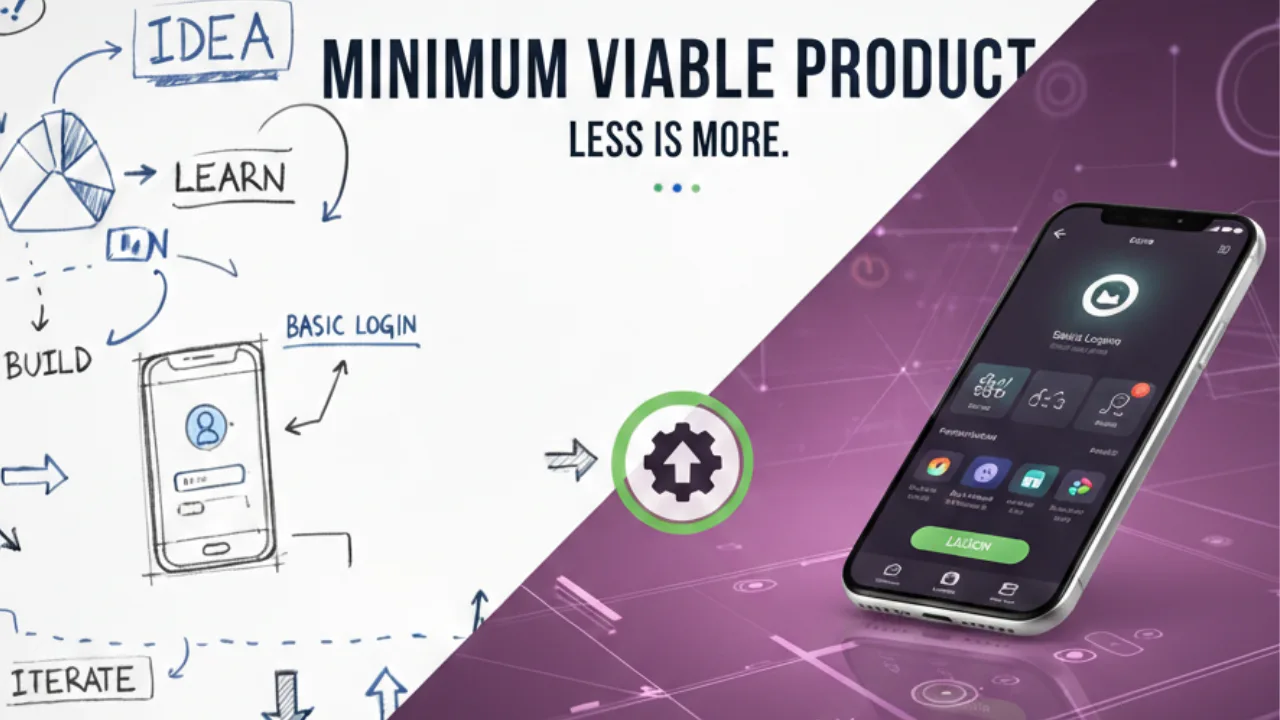
    Finally, you have enough clarity and confidence to start building your minimum viable product (MVP). You know what features matter most and what to focus on first.

    If you need help to build your MVP, talk to us at Mactavis. We can guide you through the process so your idea moves from concepts to something real people can use.

    Conclusion

    Most ideas sound fine in your head, but a solid product idea is one that people actually want, need, and are ready to pay for. The stage of validation helps you spot any faults early on, so you can focus your energy in the right places and create a product that stands a chance of success.

    If you’re working on an idea and feel unsure about the next step, Mactavis Digital can help. From research to designing and developing your MVP, we work alongside you to bring your validated digital product idea to life. Book a free consultation today and take the first step towards turning your idea into reality.